For every athlete, it is in the time off from training that the true gains are made: when we are recovering from the stresses of training our bodies make the adaptations necessary to make us stronger the next time we head out. Recovery from training has several components: Diet, sleep, massage, stretching, life stress. Here, I’ll offer 4 tips focused on diet, as that’s where we plant-based athletes differentiate ourselves – but that doesn’t mean that you have to be vegan to apply the below.
1. Fuel every session

Endurance athletes are a funny bunch. What other demographic of healthy, lean looking people are so conscious of their weight? Perhaps it’s understandable… body weight is certainly a factor that may affect performance in cycling, running or triathlon. But whatever your approach may be, during or immediately after your workout is definitely NOT the time to be cutting back in any way. Training requires fuel and replenishment, simple as.
I have been a victim of this myself: thinking that I can get away without the gel to fuel the last hour of a long ride, or finishing an afternoon run and just ‘waiting it out until dinner’ before taking on food. The truth is, you might (and probably will) get away with it in the short term. But consistent under-replenishment will certainly come back to bite you soon. Manifesting itself in the first instance when a relatively straight forward session proves near impossible to complete. Once you’re at that point, though, it can be very difficult to get back on top of things without giving your body extra rest. So don’t be like me. Learn from me. Eat!
You’ve almost certainly heard of over-training. Well, in fact, over-training may as well be called ‘under-recovering’. Fuelling, being perhaps the most important component of recovery, is critical in keeping your body on top of the training load that you are undoubtedly piling on your body.
2. Make smoothies your new ‘protein shake’
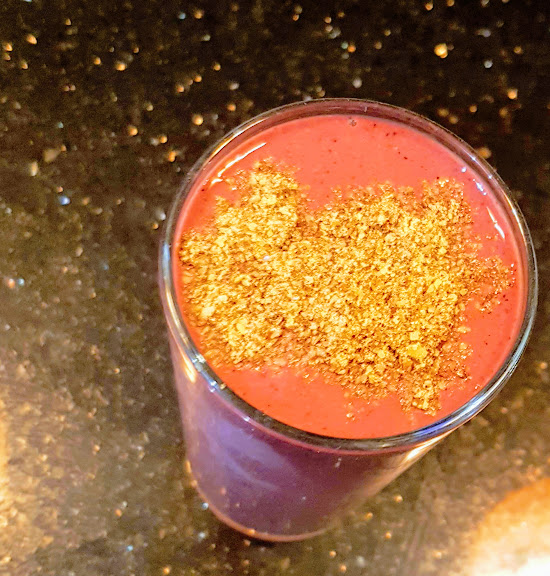
A healthy smoothie packed with blended whole foods has the potential to be the ultimate post-workout recovery for endurance athletes. Packed with the macronutrients required to replenish and rebuild after your session, but all the while not ignoring the body’s need for a healthy dose of micronutrients after the stresses of training. Couple that with the lack of ‘excess baggage’ that so often comes with processed manufactured protein powders, and smoothies present themselves as a powerhouse for the plant-powered athlete. The blender really should be an integral appliance in the kitchen of any endurance athlete.
Another great thing about making smoothies for post-workout fuel is that you can put in whatever ingredients you want, and will therefore know exactly what has gone in. Tailoring your ingredients to the session that has been completed can also be powerful, allowing you to play around with the quantities of carbohydrates, protein, fat and fibre in your fuel.
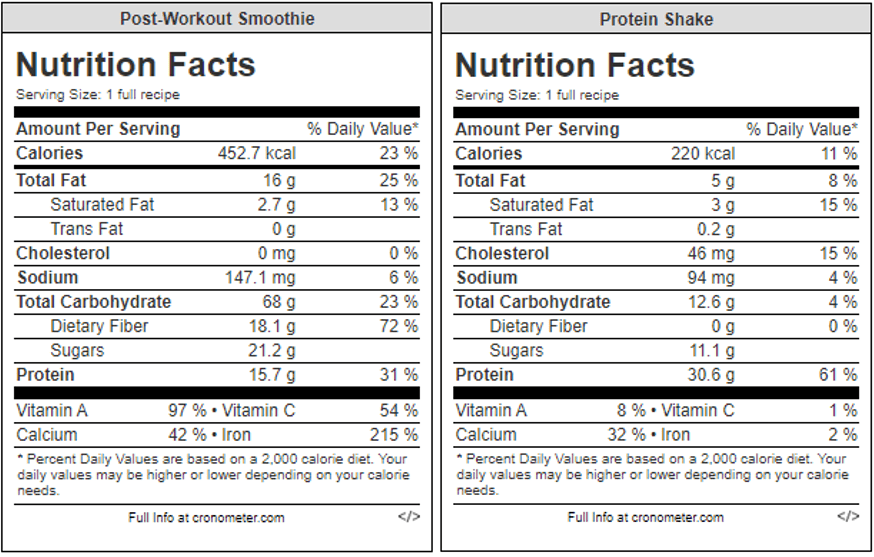
An example smoothie may be as follows: 1 banana, a big handful of spinach, a handful of frozen berries, 1 tbsp chia seeds, 2 tbsp oats, 1 heaped tbsp cacao powder, 1 tbsp shelled hemp seeds, 200ml unsweetened almond milk. This recipe delivers 68g of Carbohydrates along with 16g of Protein and 16g of Fats at the macro level. But it’s important to look much deeper than this when more than this, though, is the punch of micronutrients – this smoothie is packed with vitamins, minerals and antioxidants to get you recovered quickly for your next session.
By way of contrast, let’s take a quick look at the breakdown of a standard whey protein shake with 200ml of semi-skimmed milk. The favourite of many a regular gym-goer, this post-workout shake does deliver over 30g of protein. However, the mere 12.6g of carbohydrate is simply inadequate to replenish glycogen stores after a session of cardiovascular exercise. Couple this with the baggage of cholesterol and lack of fibre and most vitamins and minerals, and it should be clear which is the superior fuel for your body.
3. Focus on carbohydrates

As endurance athletes, carbohydrates are critical to our performance in training and racing (science said so, not just me!). When we train, we deplete our body’s glycogen stores. It is critical that we replenish our stores as soon as possible after finishing a work out to allow the body to kick into recovery and make the adaptations required to get stronger.
Quite often we are told that we have a 30 minute refuelling window after finishing a session – while the science on this is less than concrete, there is certainly no harm done in topping up our glycogen stores as soon as possible after every session.
The reason I ask you to ‘Focus on carbohydrates’ is largely to confront the perception protein intake is the priority post-workout. Again, science shows that while adequate protein is incredibly important for all athletes, the timing of its intake is of less importance – particularly for us endurance athletes. Similar results are observed whether taking on protein before or after exercising. By eating carbohydrates, though, glycogen stores may be replenished sooner allowing you to recover better and come back stronger. As for protein, the requirements can be comfortably met by eating a varied whole foods, plant-based diet… Expect another blog post on this soon!
4. Preparation is everything
It seems that preparation is always everything. But as a plant-based athlete, you really do have to think ahead to ensure that you don’t get caught out. Though improving rapidly, the world is not exactly vegan friendly. Which is fine – but if we’re going to be fuelling every session (Tip 1), then it’s important to always think ahead to the ‘how’.
I strongly recommend preparing food yourself and not relying on any shop bought items for fuelling your sessions (that is, with the exception of specific sports nutrition items during your session). As I mentioned above, this gives you the advantage that you know exactly what you are putting in your body. But more than that, preparing your fuel beforehand ensures that you are not going to get caught out by a lack of a suitable plant-based option. Fuelling every session is imperative, it just requires a little more thought when you’re a vegan!
So there you go! 4 quick tips that I have learnt and applied, that may help to enhance your recovery as a plant-powered athlete!
 Duathlon Dan
Great post! Thanks for sharing! Ive recently starting adding hemp seeds as an alternative to eggs in my morning pancakes and love it!
LikeLiked by 1 person
Thanks Adam!
LikeLike
Telling comparison of nutritional benefits of home made smoothie over standard whey protein shake.
I tried your suggestion and it also tastes much better
LikeLiked by 1 person