Powerman Zofingen: The day it all came together

In this sport, it’s a rarity that everything aligns perfectly on race day. But at the Long Distance Duathlon World Champs – held, as always, at Powerman Zofingen – things seemed to come together for me into a performance that I can be truly happy with!
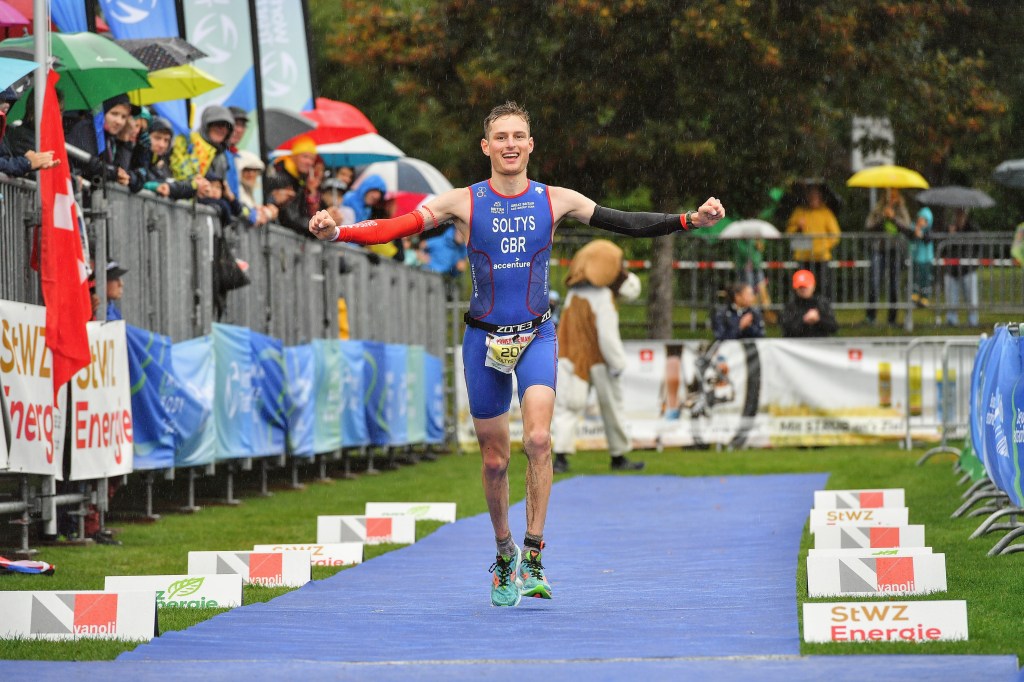
The sweetest finish line feeling that I have ever felt

It was a nervous start to the day: after throwing down a couple of morning coffees and racking my bike in transition, the disgusting weather turned up right on queue half an hour ahead of the start. After seeing others wrapped up in long-sleeve thermals and packing rain jackets under their saddles, in a slight fit of panic I bought a pair of ‘Swiss Duathlon’ arm warmers from the expo – literally 2 minutes before my start time… I should have started my watch at that point, as I must have busted out a few hundred metres at 3:15k pace to get to the start line on time. 

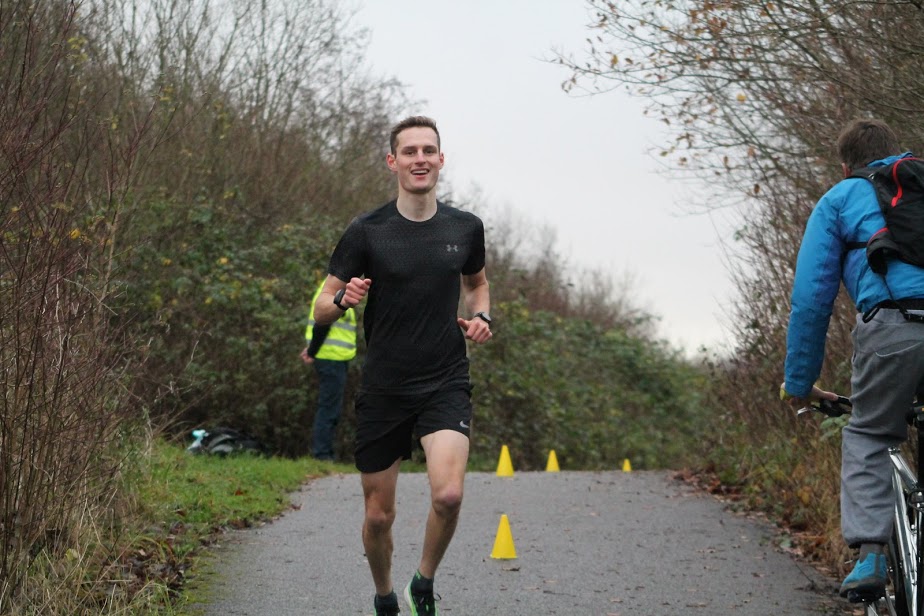
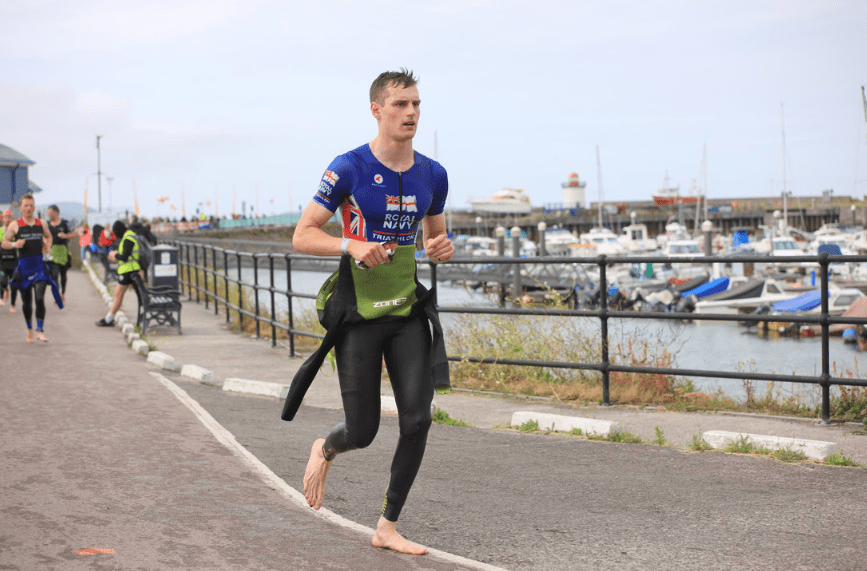
The gun went off and I was away on the first run, 2 very hilly 4.7km loops on road and light trails (250m elevation gain!). Basically, run up a stinking hill and back down the other side, twice. Honestly, the first run went by in a flash. People had told me not to give everything at this point, but I probably still hit out at 95%. First age-grouper into T1 and I had caught the first of the Elite men’s field (that started 2 mins ahead!). A solid start. 
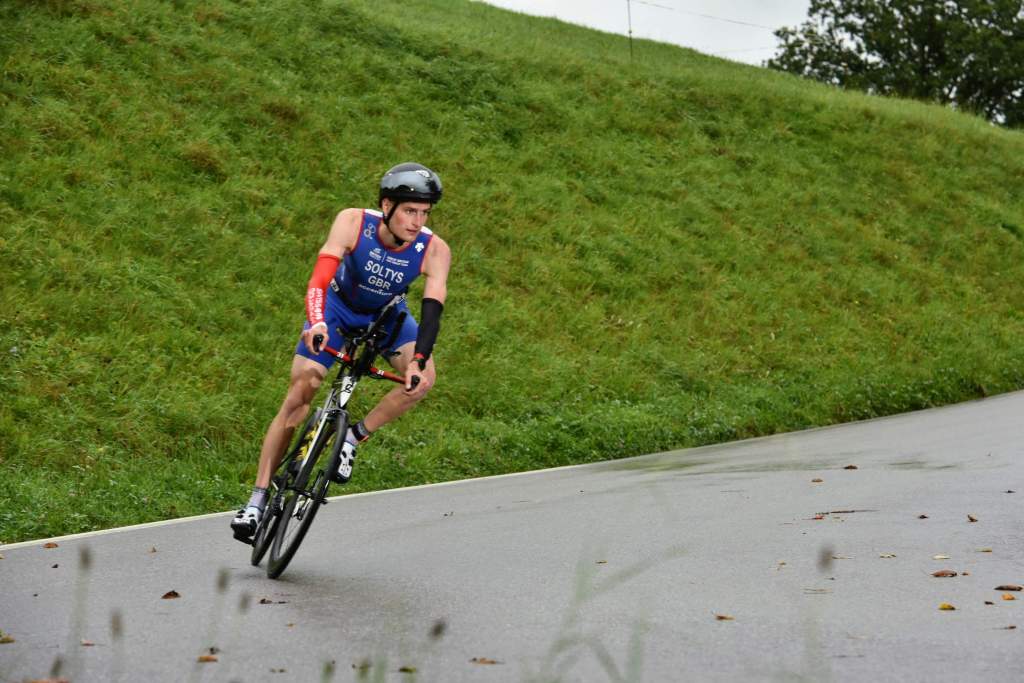
Onto the bike and time to pull up those arm warmers. By this point, the rain was nothing short of biblical. Still warm from the run, though, I remember smiling to myself on the first climb thinking about how epic this was. 

I had a pacing plan for the bike, which I stuck to perfectly for the first 2 of 3 50km laps. It felt hard, but achievable, and on the second ascent of the Wiliberg climb I managed to bridge up to a group of 6 Elites and rode straight past all but one, who came with me. 

After 2 strong laps the cold really started to set in with the rain unrelenting. Shivering and legs now feeling like stones I just wanted to make it to the run. Power and pace dropped off but I made it into T2 ready for the task ahead. It later became clear just how attritional the conditions had been, with a third of the field DNFing due to the cold. 
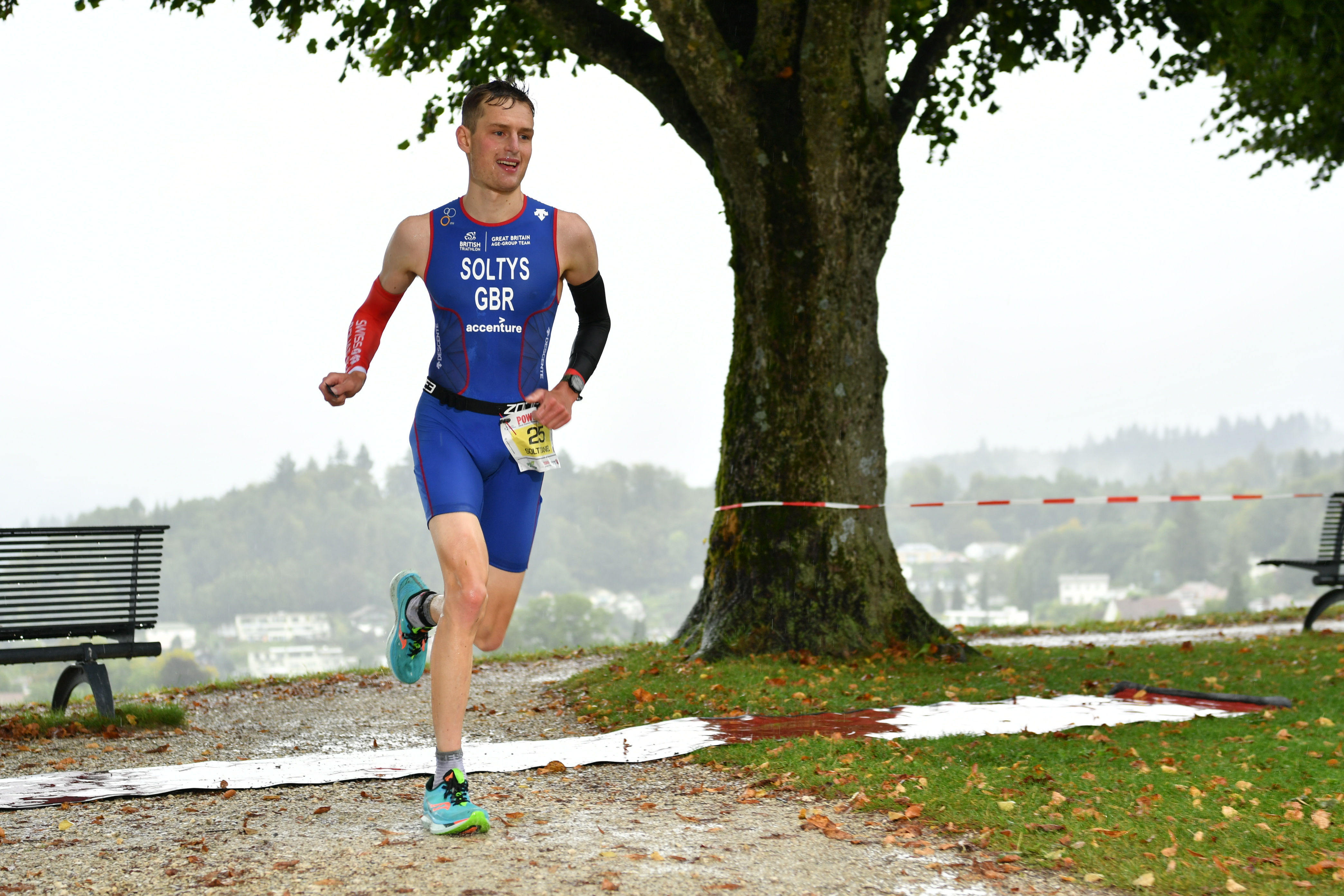
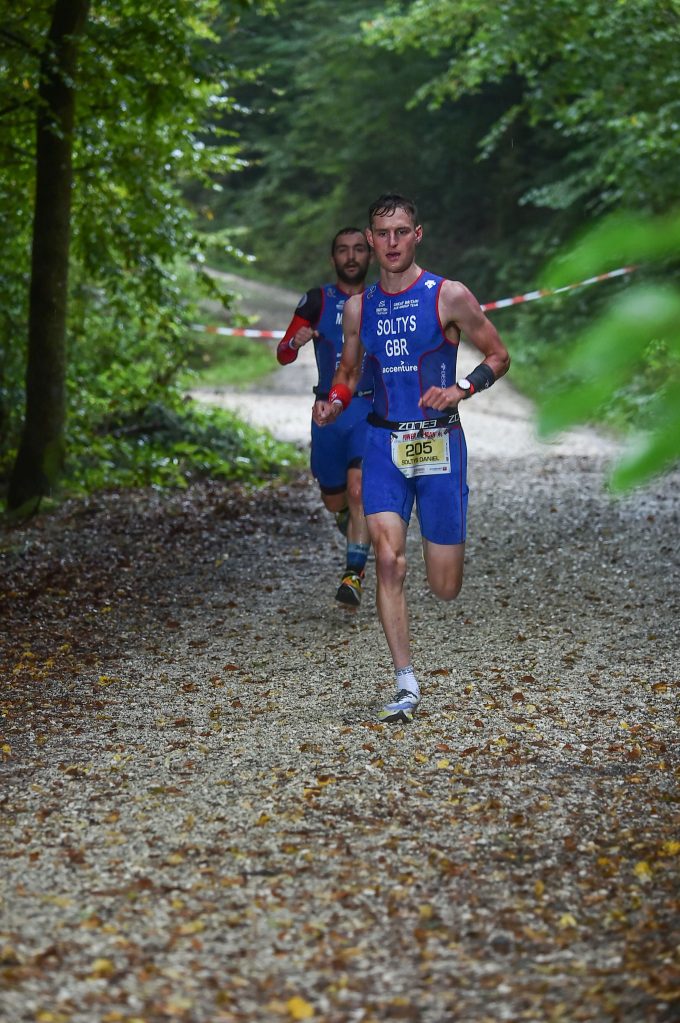
Finally onto the second run. That is, after forgetting to put my shoes in the transition box and having to run back to put them in – a moment caught on the live stream! I was relieved to get to this point but nothing had prepared me for the brutality of this run course after a long day in grim conditions. 550m of elevation in 25km, with some horrendously steep pinches along the way – it quickly became apparent that I just had to ignore my watch for any pace targets, and tell myself “Just. Keep. Running.”. It took all my mental strength to do that on some of the steep inclines, but I was able to savour the final 2km of downhill back into town knowing that it was all but over! 

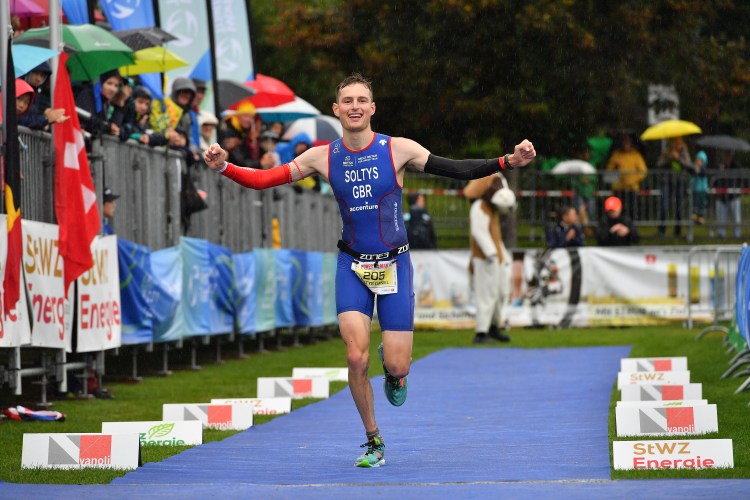
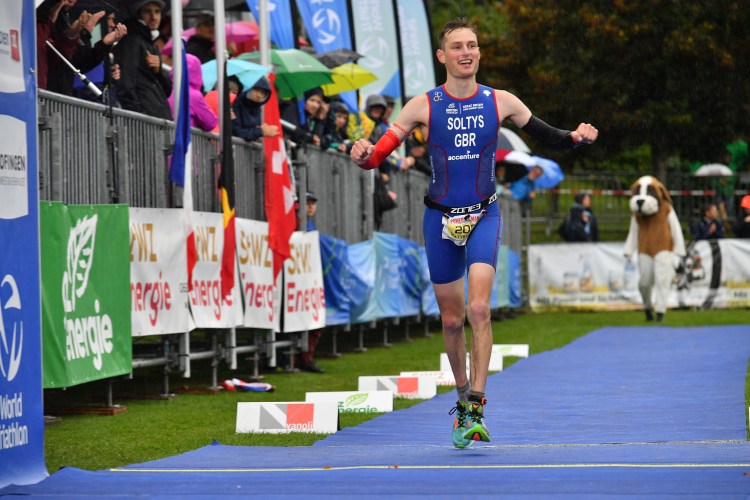
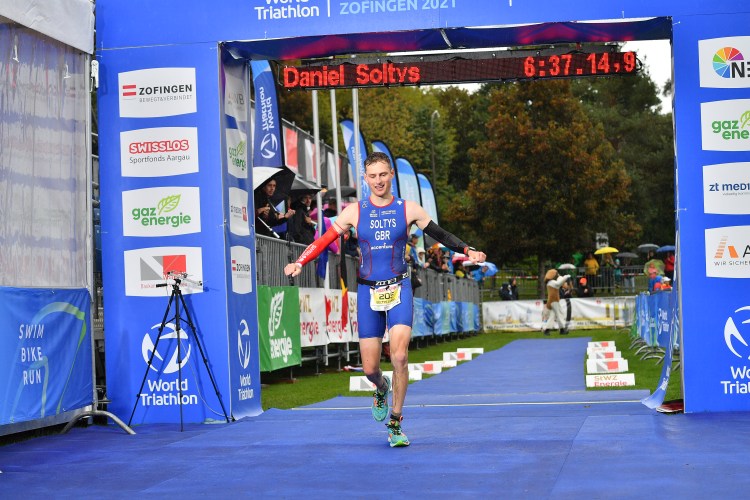
1st Age-Group athlete over the line and 8th Overall, ahead of 10 of the Elite starters on the day – the epic conditions making it all the more of a sweet finish line feeling! Duathlon Age-Group World Champion, sounds alright to me!
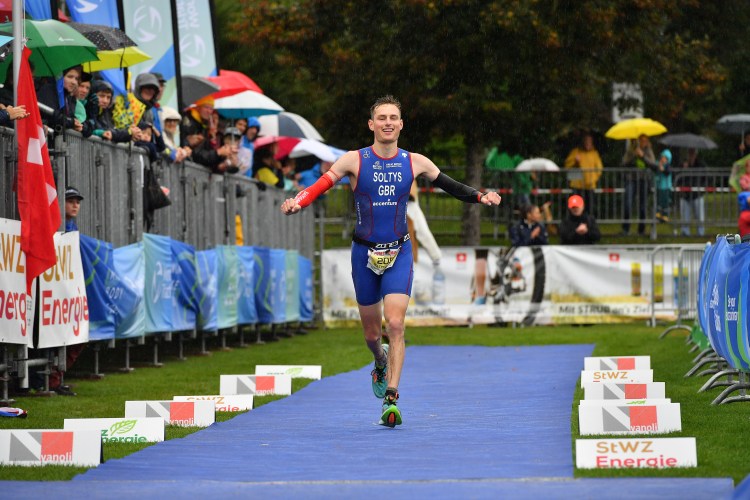
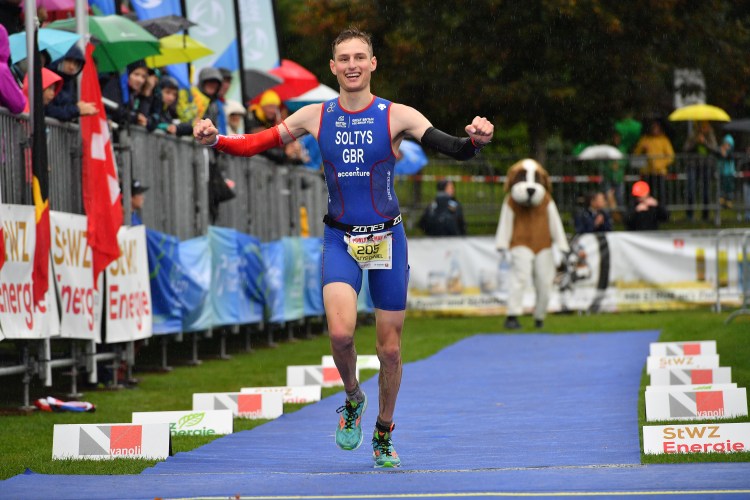
It’s a result that gives me so much confidence and more motivation than ever. My hope now is to continue progressing specifically with Duathlon and come back next year as an Elite in my own right!

One final thought goes to the beauty of long course racing. At times in the past I have been baffled by those that suffer through Iron distance races and go back for more year after year. But in long course racing, I learned that it can be as much about fitness as it is about grabbing the day by the balls, gritting your teeth, and battling your mind to get to the finish line ahead of your fellow competitors.

Becoming a Marathoner: 14 weeks to London

In just over 14 weeks time, I will be toeing the line at my first marathon, in London. That’s right, debuting with a nice small race…
As someone embarking on a marathon adventure for the first time, I figured it would be well worth documenting my training in weekly blogs. In these posts I will give an honest and truthful diary of my progress over the previous week of running, together with the key lessons learned.
This bumper first edition will cover almost 3 weeks: from my start to 2020 up until Sunday 19th Jan.

It’s been a troubled start to the campaign – a tale of highs, lows, and one motivated, but ultimately dumb, runner.

A Happy New Year from Oz.

1st Jan. 2020. A brand new year, a new decade. I woke up on New Year’s Day feeling pretty seedy, probably (certainly) from the beers the night before. One potential new year’s resolution bouncing around my head the past few days is to ‘do some exercise every single day’. Well, that didn’t survive first contact.

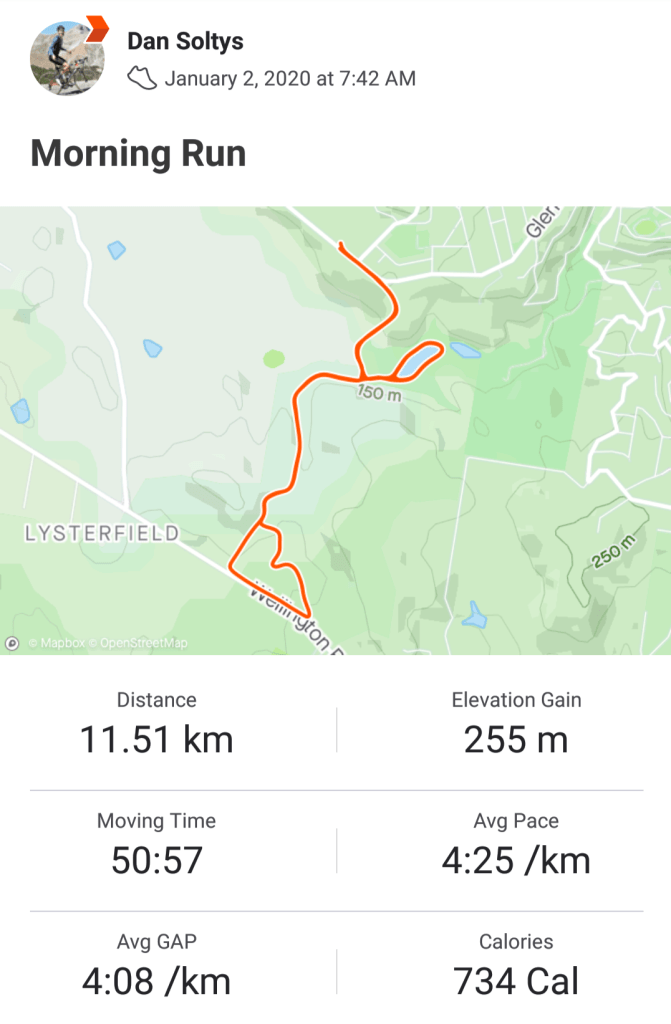
2nd Jan. Time to make up for yesterday’s laziness. I only had an hour to get out the door and get a run in before we had to check out of the Airbnb. Naturally, it had to be a classic Aussie bush run on incredible hilly tracks complete with hundreds of roaming kangaroos. Incredible, yes, but very different to the surfaces and terrain that I am used to running on at home. I was keen to make amends for yesterday and was feeling pretty good, so I gave it a nudge on the uphills and let the hills do the work on the downs. That’ll make up for it…

Or not.

3rd Jan. After flying from Melbourne to Sydney last night, I woke up this morning with an unfamiliar pain in my foot that exacerbated as I flexed it through the motion of walking. Damn. Definitely seems like it will be no running for me today. “That really was a stupid new year’s resolution wasn’t it”… Most worrying though, was that my symptoms aligned perfectly with a stress fracture of the third metatarsal in my right foot.

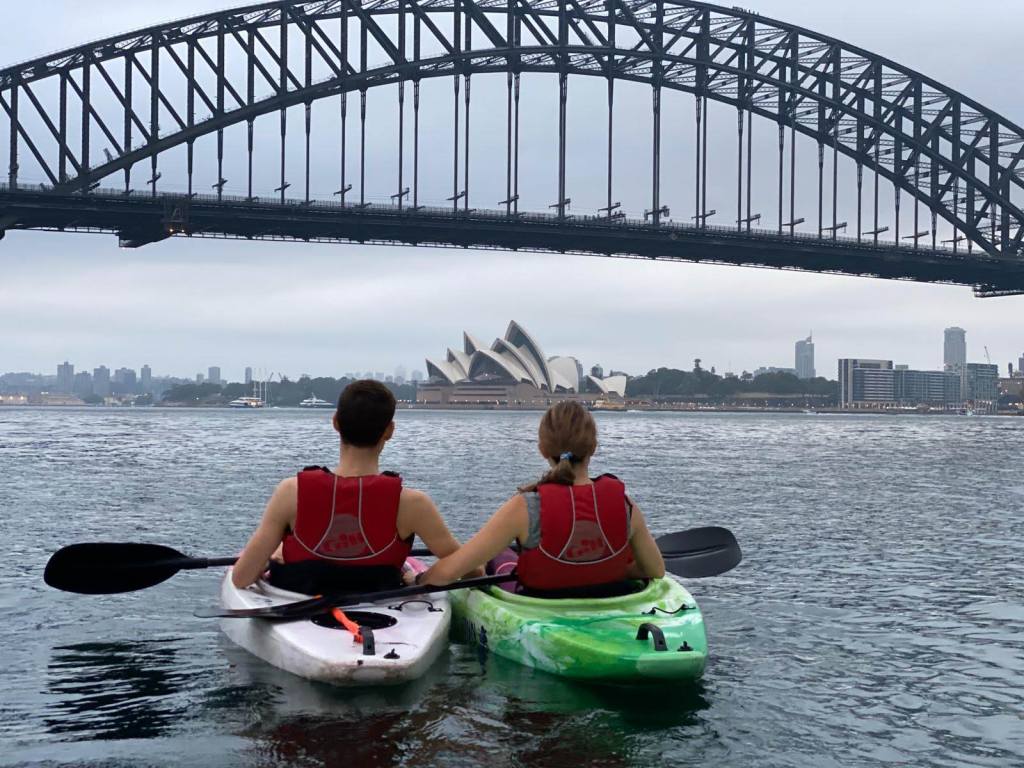
3 days exploring Sydney on foot probably not the best remedy then, but what can you do when you’ve got opera houses to view.

We did what we could to stay off our feet…

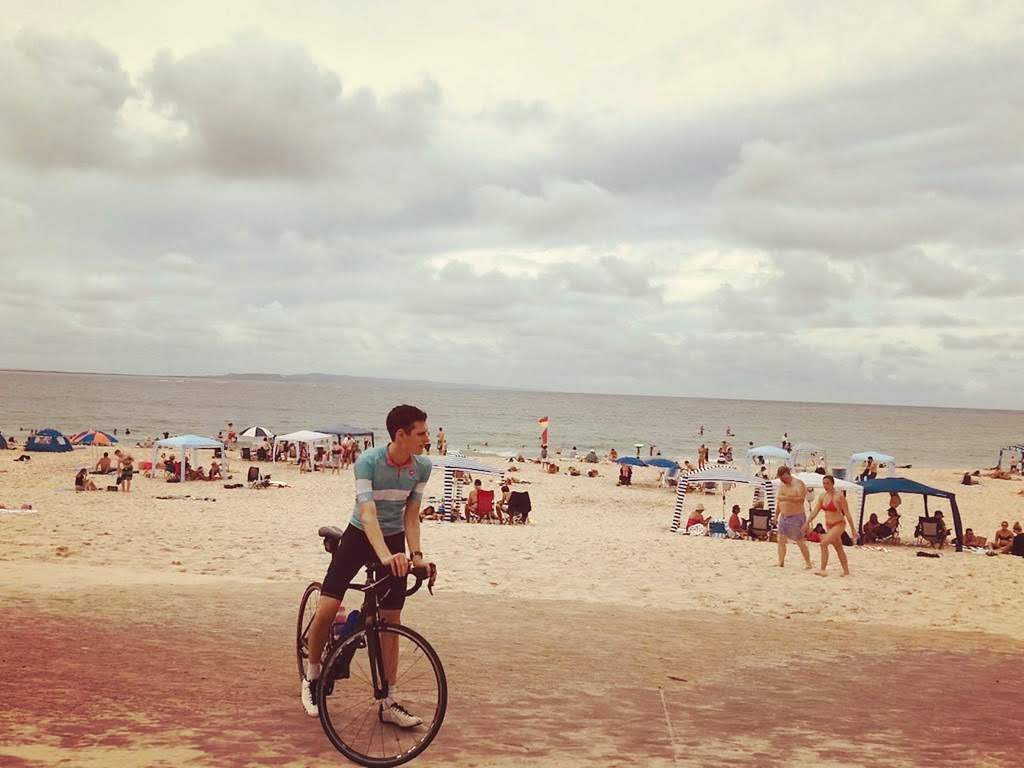
5th-10th Jan. Time to get out of the city and catch a flight up to the Sunshine Coast. The decision to fly straight up instead of road tripping was made in part due to the injury and the knowledge that I could at least hire a road bike for a week up in Noosa. Five awesome days of cycling in Queensland did go some way to alleviate the frustrations of not being able to run, but it wasn’t the training I had planned to be doing 15 weeks out from London. No complaints though, the riding around Noosa was beautiful and I jumped on with a bunchie leaving town at 6am every morning of the week – insane! Not often that I manage 50k’s before 7.30am!

Noosa, baby

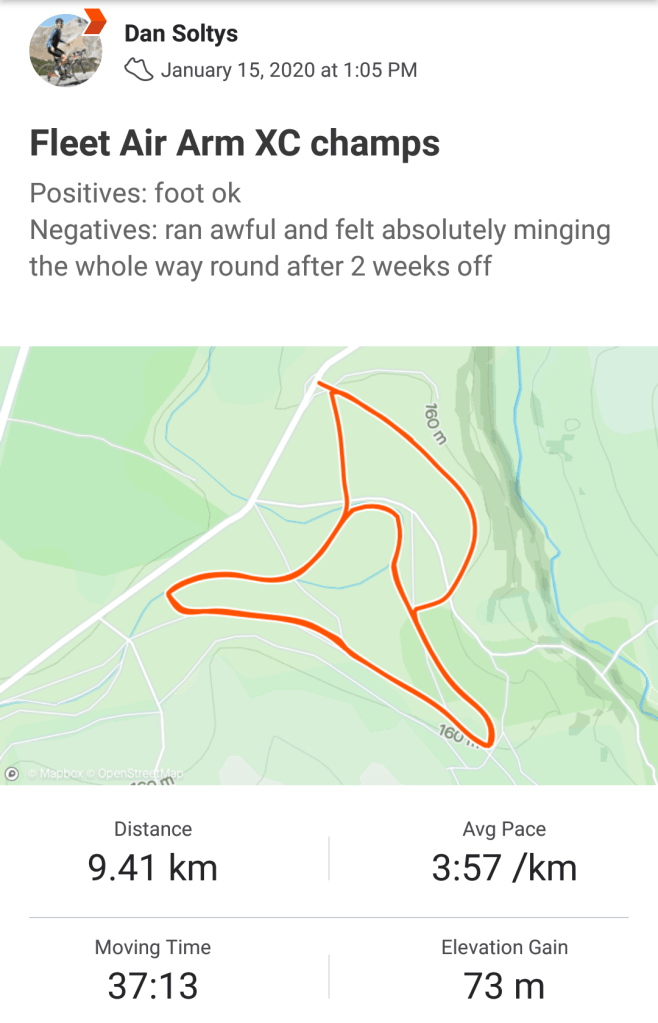
15th Jan. It’s been a long 2 weeks without any running, but finally my foot feels normal to walk on again. Just in time, then, to run the annual Fleet Air Arm cross-country championships – a race that I had marked down in the calendar for a while as a ‘B’ target. Of course, I had read many an article saying to ‘take it easy’ for at least a few weeks when coming back from injury. Perhaps patience is not my forte.

The race went terrible, obviously, and I felt horrendous the entire way around the muddy 10km course. But the foot held up okay, I’ll take the small victories. What I had not prepared myself for was the shear soreness that transcends my body after two weeks of zero running. The kind of soreness that you get after your first gym session in months? You know it.

16th Jan. Finally then, I was back running. Eager as ever, I headed to the track in the morning to drag my aching body around a few laps. By my pre-injury standards, I had a very straight forward session planned: 10x200m at 5k pace with 600m easy between each rep. In hindsight, with my body already sore from yesterday’s race, I would have been much better off listening to the sensations and heading out the door for some easy miles.

18th Jan. A Saturday. Yesterday my body was too tired to even consider running – instead I elected for a ‘sweetspot’ session on the Wattbike. Plan for today was to head to the local parkrun with my Dad, the sole aim being to cover the course at a very steady pace. Now, I love a parkrun, but this morning I discovered that my discipline – in terms of forcing myself to run slow when others around me are not – is simply terrible. Clearly I knew that I just needed to bank some easy miles to get the body used to running again, but put me in a group of people vying for the win? Just as before, too tempted.

Once again plunging my body into a world of soreness, I felt another unfamiliar pain, this time in my Achilles. Three sessions of fast running in a row off the back of a two week layoff. Let’s just say, pretty embarrassing that I let it happen.

At least I learnt something though: control your environment. Me being me, the easiest way to not get dragged into racing when I shouldn’t be is to not turn up at the race to begin with. Next time, when it’s time to do some easy miles, I simply won’t head to Parkrun! Caveat: you may have more self-control.

Lesson of the week

Patience. Running is a sport that cannot be won overnight. You can’t go chasing it. It’s the consistency over the weeks, months and years that will bring about the results in the long term, what you do today is just one tiny rung on the ladder towards results.
Injuries are, to a point, inevitable in this sport. But it’s often in those moments when we are in two minds whether to push through or back it off that most injuries occur. When you find yourself in this situation, separate your thought processes into two camps: the inner athlete and the inner coach. What is it that is calling for you to back it off? Always follow the advice of your inner, rational, coach.

What I learned from running a sub 17 Parkrun

I have been training and racing in endurance sports for nearly four years now. Not a huge amount of time, granted, but you could say that I am no stranger to suffering – it has become a simple fact of life in the sports that I partake. As endurance athletes reading this, I am sure you will be able to relate: grinding out the last 5 minutes of your FTP test despite the searing pain in your legs, or perhaps the very different yet equally unbearable sense of total depletion at the back end of an Ironman Triathlon. For longer than I have been racing I have been aware of the massive impact that ‘mental toughness’ can have on performance. Indeed I have read about the subject in Matt Fitzgerald’s How Bad Do You Want It?. Despite all of this, being able to call upon ones own mental toughness is much easier to talk about than it is to action.

Of all things, it was an effort at a recent Parkrun that taught me a few things about this so-called ‘mental fitness’.

For the uninitiated, a Parkrun is a weekly 5k run on Saturday mornings from thousands of locations worldwide – particularly popular in the UK and Australasia. A couple of weeks ago, I ran my local Parkrun in a personal best time of 16 minutes and 39 seconds. Though far from touching the blistering pace of elite runners, for me 16:39 was not just a PB, it eclipsed my previous best (set only four weeks prior) by 35 seconds. And for the record, when I set the slower time of 17:14 I was, at least in my mind, ‘giving it my all’. So what was at play for my improvement?

Firstly, I have been running more. The combination of the cold and wet winter in the UK (rather unappealing cycling conditions), and my new goals for the coming season have led to an increase in my weekly running mileage. The fitness increase due to that cannot be ignored. But it can also easily be overstated. My experience in cycling, running and triathlon points to the fact that such a large improvement in a matter of weeks is likely due to something much greater than fitness alone.

Plus, something was different that morning. Which is what leads me to believe that it was almost entirely mental.

That morning, I woke up and straight away knew that the sub 17 was happening. No more “I’m just going to give it my best and see how I get on”, rather “I’m going to make sure it happens, no matter what”. I didn’t give my body the opportunity to say no. This positive self-talk really has does have its place in priming yourself for optimum performance. After all, how could I be expected to run a new best if I didn’t truly believe that I was going to do it in the first place?

On that note, I didn’t shy away from the obvious either. A sub 17 minute 5k wasn’t going to be easy, it was going to hurt. The best thing that you can do is embrace that inevitability whole-heartedly. That way, the body will not be so shocked when it does find itself in the hurt box. It may sound a little masochistic, but ultimately it is this mind-body challenge that brings us all back to endurance sports day after day.

During the run I learnt a few things as well.

First things first, just because it starts to hurt, doesn’t mean that you have to slow down or stop. You’d be surprised what the body is capable of with some control over the mind. When it does starts to hurt, acknowledge the pain, give it a nod. But try to continue with your output for now, remaining hyper-aware of your pain levels. Is it actually getting any worse, or does it stabilise at a certain pace or power? And look, I am no superhuman at all. Of course I don’t have complete control over the mind-body interface. I still have days where I have no mental capacity to suffer. But mere awareness of the ‘chimp’ in your brain that makes you want to stop may be enough. Always be asking yourself: “Do I need to slow down, or do I just want to?”.

Finally, relax! Easier said than done, I know. I am always catching myself making it hurt more than it really ought to. Whether this be through grimacing in the face, carrying the shoulders and neck with a ton of tension, clenching fists, or breathing shallow and rapidly. All of these things serve only to raise your rate of perceived exertion, never mind lowering your style and panache. Again, when it starts to hurt just check-in with yourself. Am I making this more difficult than I have to? Relax any muscles that aren’t serving your output; breathe deeply and controlled from the diaphragm; find your zone, your flow state; and make it look like you aren’t suffering at all.

With all this said and done, you’d be forgiven for thinking that I have some crazy approach to training – that everything should be a sufferfest, be painful. Quite the opposite. These sort of mental efforts should only be used sparingly, though at regular intervals, to free your cognitive load and make them a true performance enhancer come race day, whilst still staying in touch with where your physical limits are. With that in mind, don’t go max chaff at parkrun every week. It’s only 5k, so you may not overdo it physically, but you may just burn through your psychological matches quicker than you had hoped.

The key take aways:

  • Positive self-talk: tell yourself that you are going to achieve your goal
  • Prepare yourself for the fact that it’s going to hurt
  • Just because it hurts, doesn’t mean you have to stop
  • Stop carrying tension: relax, breathe, find your zone, make it look easy
  • Don’t go all in every week – for mind as well as body

Recovery Tips for the Plant-Based Athlete

For every athlete, it is in the time off from training that the true gains are made: when we are recovering from the stresses of training our bodies make the adaptations necessary to make us stronger the next time we head out. Recovery from training has several components: Diet, sleep, massage, stretching, life stress. Here, I’ll offer 4 tips focused on diet, as that’s where we plant-based athletes differentiate ourselves – but that doesn’t mean that you have to be vegan to apply the below.

1. Fuel every session

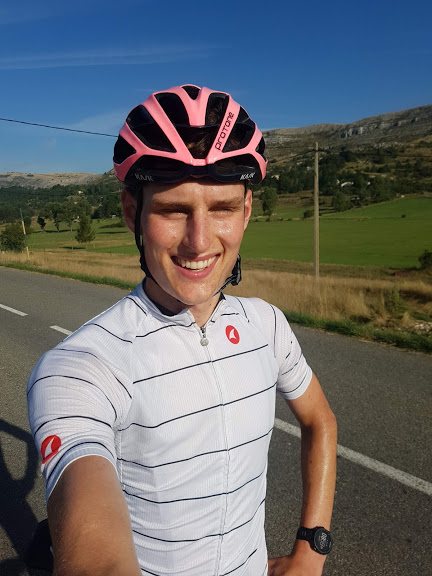
Fuel properly and you’ll keep smiling through the miles! (Hopefully you won’t have to force it as much as me here)

Endurance athletes are a funny bunch. What other demographic of healthy, lean looking people are so conscious of their weight? Perhaps it’s understandable… body weight is certainly a factor that may affect performance in cycling, running or triathlon. But whatever your approach may be, during or immediately after your workout is definitely NOT the time to be cutting back in any way. Training requires fuel and replenishment, simple as.

I have been a victim of this myself: thinking that I can get away without the gel to fuel the last hour of a long ride, or finishing an afternoon run and just ‘waiting it out until dinner’ before taking on food. The truth is, you might (and probably will) get away with it in the short term. But consistent under-replenishment will certainly come back to bite you soon. Manifesting itself in the first instance when a relatively straight forward session proves near impossible to complete. Once you’re at that point, though, it can be very difficult to get back on top of things without giving your body extra rest. So don’t be like me. Learn from me. Eat!

You’ve almost certainly heard of over-training. Well, in fact, over-training may as well be called ‘under-recovering’. Fuelling, being perhaps the most important component of recovery, is critical in keeping your body on top of the training load that you are undoubtedly piling on your body.

2. Make smoothies your new ‘protein shake’

Ve-Gainz

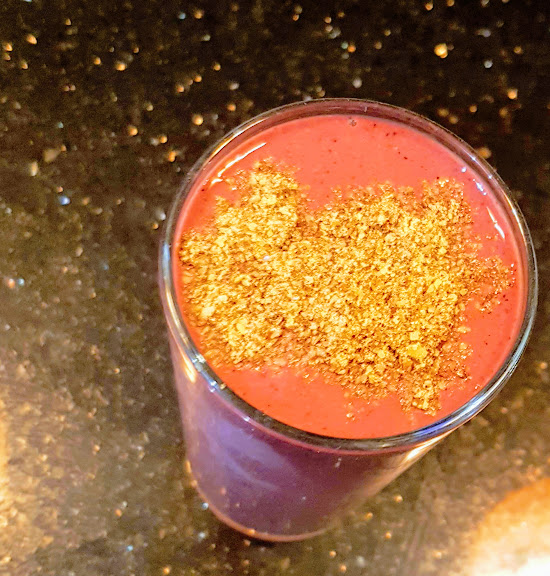
A healthy smoothie packed with blended whole foods has the potential to be the ultimate post-workout recovery for endurance athletes. Packed with the macronutrients required to replenish and rebuild after your session, but all the while not ignoring the body’s need for a healthy dose of micronutrients after the stresses of training. Couple that with the lack of ‘excess baggage’ that so often comes with processed manufactured protein powders, and smoothies present themselves as a powerhouse for the plant-powered athlete. The blender really should be an integral appliance in the kitchen of any endurance athlete.

Another great thing about making smoothies for post-workout fuel is that you can put in whatever ingredients you want, and will therefore know exactly what has gone in. Tailoring your ingredients to the session that has been completed can also be powerful, allowing you to play around with the quantities of carbohydrates, protein, fat and fibre in your fuel.

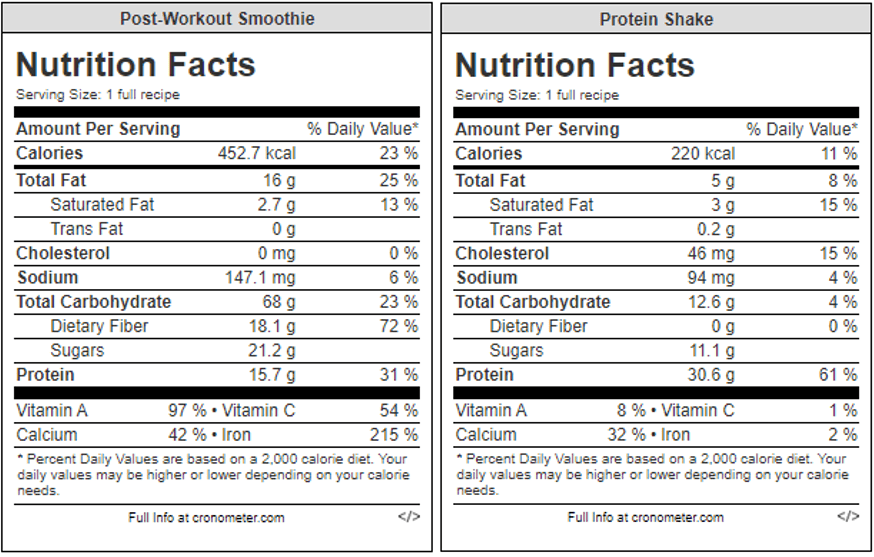
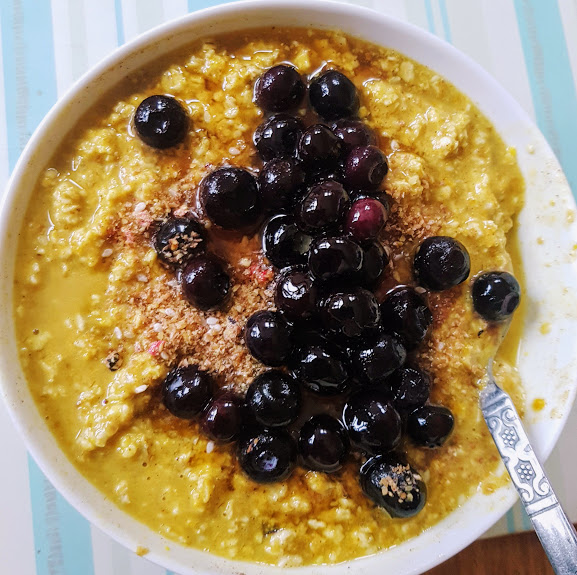
An example smoothie may be as follows: 1 banana, a big handful of spinach, a handful of frozen berries, 1 tbsp chia seeds, 2 tbsp oats, 1 heaped tbsp cacao powder, 1 tbsp shelled hemp seeds, 200ml unsweetened almond milk. This recipe delivers 68g of Carbohydrates along with 16g of Protein and 16g of Fats at the macro level. But it’s important to look much deeper than this when more than this, though, is the punch of micronutrients – this smoothie is packed with vitamins, minerals and antioxidants to get you recovered quickly for your next session.

By way of contrast, let’s take a quick look at the breakdown of a standard whey protein shake with 200ml of semi-skimmed milk. The favourite of many a regular gym-goer, this post-workout shake does deliver over 30g of protein. However, the mere 12.6g of carbohydrate is simply inadequate to replenish glycogen stores after a session of cardiovascular exercise. Couple this with the baggage of cholesterol and lack of fibre and most vitamins and minerals, and it should be clear which is the superior fuel for your body.

3. Focus on carbohydrates

As endurance athletes, carbohydrates are critical to our performance in training and racing (science said so, not just me!). When we train, we deplete our body’s glycogen stores. It is critical that we replenish our stores as soon as possible after finishing a work out to allow the body to kick into recovery and make the adaptations required to get stronger.

Quite often we are told that we have a 30 minute refuelling window after finishing a session – while the science on this is less than concrete, there is certainly no harm done in topping up our glycogen stores as soon as possible after every session.

The reason I ask you to ‘Focus on carbohydrates’ is largely to confront the perception protein intake is the priority post-workout. Again, science shows that while adequate protein is incredibly important for all athletes, the timing of its intake is of less importance – particularly for us endurance athletes. Similar results are observed whether taking on protein before or after exercising. By eating carbohydrates, though, glycogen stores may be replenished sooner allowing you to recover better and come back stronger. As for protein, the requirements can be comfortably met by eating a varied whole foods, plant-based diet… Expect another blog post on this soon!

4. Preparation is everything

It seems that preparation is always everything. But as a plant-based athlete, you really do have to think ahead to ensure that you don’t get caught out. Though improving rapidly, the world is not exactly vegan friendly. Which is fine – but if we’re going to be fuelling every session (Tip 1), then it’s important to always think ahead to the ‘how’.

I strongly recommend preparing food yourself and not relying on any shop bought items for fuelling your sessions (that is, with the exception of specific sports nutrition items during your session). As I mentioned above, this gives you the advantage that you know exactly what you are putting in your body. But more than that, preparing your fuel beforehand ensures that you are not going to get caught out by a lack of a suitable plant-based option. Fuelling every session is imperative, it just requires a little more thought when you’re a vegan!

So there you go! 4 quick tips that I have learnt and applied, that may help to enhance your recovery as a plant-powered athlete!

Welcome to the blog!

Hello everyone, and a warm welcome to Planting Performance. I’m Dan Soltys: vegan cyclist and runner on a journey to see what I can achieve in endurance sports with nothing more than hard work and conscious eating.

A bit of background…

Brought up in Penarth, just outside Cardiff, I am the first to admit that I was never really top of the class in sports whilst I was at school. Despite this, I did love sports. And I tried a bit of everything – Rugby, Football, Tennis, even Ice Hockey – but the fire inside me for endurance sports was (unfortunately) never lit.

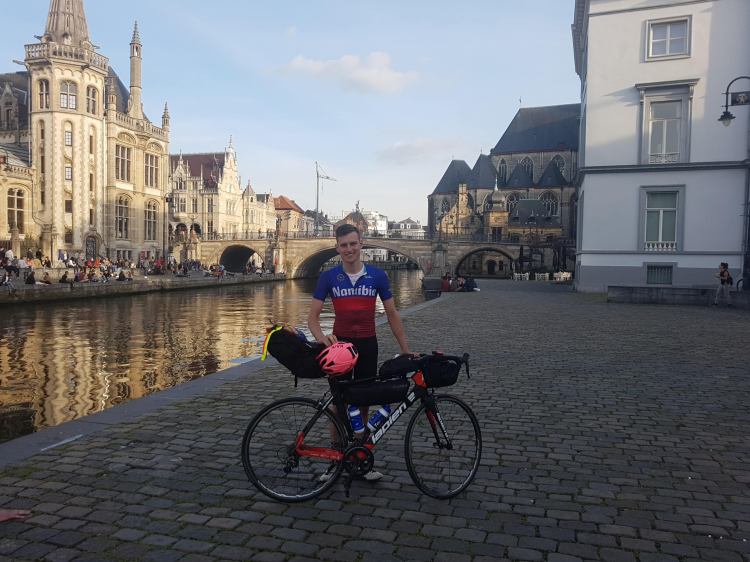
This all changed when I went off to Uni, and started working as a Deliveroo rider in my spare time to make some beer money. I very (very) quickly fell in love with cycling. And that beer money was getting spent on, not beer, but new cycling kit or faster tyres! Such was my take to the sport, I truly felt like I had filled a hole inside of me for a sporting passion. Even at the age of 20, I remember feeling at the time “If only I had discovered this earlier!”. To this day I still have some regret for that!

I went on to join a club, trained with some structure, and started racing bikes.

After finishing up at Uni, I joined the Royal Navy and started at Britannia Royal Naval College, Dartmouth. With no access to my bike, or even a stationary bike to train on, I turned to running to try and maintain the fitness that I had built over the past couple of years in the saddle. More than that though, with time I started to enjoy running… and accidentally got quite good at it.

A year on from that, and now through officer training and onto a slightly more relaxed lifestyle training as a pilot, my job has become an asset to my sporting ambitions. The military has a rich history of achievement in sports, and I am fortunate enough to be able to commit some time from my working week towards training and racing.

Racing?

Once I had developed a passion for cycling, and started training properly, racing felt like a natural progression. Through the 2017 season I was a regular fixture on the start list at local road races and criteriums, and managed some solid results without any standout performances. In 2018, perhaps frustrated by my lack of an elusive win, I took more of a ‘just ride’ approach, while remaining fitter than ever and still competitive with my riding buddies on the local climbs. All good fun, but I am a crazy competitive 23 year old that, deep down, needs to race!

With the Navy perhaps realising my running talent before I had, I was taken along to the local cross-country series races within weeks of joining. And to my surprise, I was competitive in these races (even with minimal running training…). I ended up winning the series and later the 2019 Royal Navy championships in the u23 category.

The early running days! I’m on the far right.

This summer (2019), I decided to try and fuse my love for cycling and my newfound running ability by racing Triathlons. I gave it a good go, and raced fairly strongly at Ironman 70.3 Staffordshire and the Welsh half-distance championships. Triathlons are a lot of fun. There is no doubt about that. But, and I have mentioned it before, I am an immensely competitive 23 year old. And there was one thing stopping me being truly competitive in Triathlon: Swimming. For whatever reason, I neither enjoy swimming nor am I any good at it – or perhaps the two go hand in hand.

“Damn, I hate swimming”

So what next? The direction to take my 2020 season has been the focus of much debate for me this Autumn. Cycling, Running or Tri’s..? Surely Duathlon?

More than anything, I love the process of training. And I love turning up on race day ready to race, and able to do so competitively. My logical thinking brain (I studied physics after all) seems to have rejected the idea that you can turn up to a bike race 100% fit and ready, yet still have luck against you on the day. As for Triathlon, I think it’s a real struggle to put the hours in training in a discipline that you simply don’t get on with. With that in mind, the plan for 2020 is to go as all-in as possible on running, while still fulfilling my appetite for cycling and training on the bike.

I have a few goals for the year, but more on that soon.

Why Vegan?

I get this question asked more than any other question when people find out that I am vegan. I usually have a similar response. Something like this:

“I adopted a plant-based diet for health and to seek optimum performance in sport – but the environment and the animals reassured me that I had made the right call.”

But also, simply because I like it. My life has changed massively for the better since adopting a vegan diet. It’s my belief that much of this is down to making the connection between what we put in our mouths and the impact we can have on the world.

Since adopting a whole food plant-based diet, I have become a bit of a nutrition geek and have found myself getting increasingly passionate about the subject. Swatting up on the latest studies has become a pastime – anything that can help me not only live a healthier life, but also get that competitive edge in sport.

So that’s why. 3 years eating plants and I will never be going back!

So…

That’s me! I suggest you follow along the Planting Performance blog for much more in the way of tips, advice and learnings – as well as my own journey – to help grow a community of like-minded athletes!